
Collier County Directory Shelves
The verified Collier County city directory record is strongest for Naples in the mid-1950s. It is not a complete annual shelf. Images have been identified for R.L. Polk editions dated 1955 and 1957 through 1960, while bibliographic and microfilm evidence also identifies a 1970 title. The missing 1956 edition in the researched sequence is a gap in verified holdings, not proof that no directory was published.
| Collection | Years | Where held | Access |
|---|---|---|---|
| Naples R.L. Polk city directories | 1955, 1957–1960; 1970 title evidence | Genealogy databases; confirm at Naples Regional or State Library | Licensed images, catalog, microfilm, or staff help |
| Expanded Naples-area title | 1959–1960 | Published microfilm inventory | Search exact title and publisher |
| Florida city directories | Early 1900s to present statewide; exact Naples run unpublished | State Library, Tallahassee | Catalog, staff contact, on-site reference |
| Federal population census | Public through 1950 | NARA and library genealogy resources | Household bridge before Polk volumes |
| Florida Memory officials roster | Collier officials, 1923–1969 | State Archives online | Free names, titles, addresses, dates, remarks |
The 1959–1960 title covers Naples, East Naples, Naples Park, North Naples, Lely Estates, Pine Ridge, Sun Terrace, and Vanderbilt Beach. That directory geography exceeds incorporated Naples. Record the full title before drawing a boundary conclusion.
Collier Directory Research at Naples
Naples Regional is the first local stop. The branch at 650 Central Avenue houses genealogy resources and provides genealogy databases. It is open Monday through Thursday from 9 a.m. to 8 p.m. and Friday through Saturday from 9 a.m. to 5 p.m.; the circulation number is 239-252-5135. Public pages do not list each reverse directory, newspaper reel, obituary aid, or yearbook.
Ask staff for a title-and-year shelf check. Useful request terms include “Naples city directory,” “R.L. Polk,” “telephone directory,” a community name, a school, and a yearbook. Also ask whether licensed images require a library card or branch use. Staff can identify microfilm and vertical files even when those items have no web index.
Note: A blank catalog result is a reason to contact the genealogy desk, not proof that no useful volume exists.
Read a Collier City Directory
No public Naples page image was available for direct inspection during research. The normal Polk pattern below is therefore a checklist to verify against each volume’s abbreviation page, not a transcription of one local entry. Copy or photograph that key before interpreting a line.
| Name | Surname, given name, or initial; test spelling variants |
|---|---|
| Spouse | Often in parentheses, if that edition follows the convention |
| Work | Occupation or employer can separate people with the same name |
| Address | Home address printed for that directory year |
| Status mark | May note householder, homeowner, widow, or business links |
- Criss-cross directory
- A reverse section arranged by street address or phone instead of surname.
- Householder index
- A list centered on the person linked to a home, subject to the publisher’s rules.
- Abbreviation key
- The edition’s guide to shortened trades, places, marital notes, and status marks.
An entry proves a listing, not a full household. Children may be absent, adults may choose no listing, and seasonal residents can fall outside a canvass. The title’s geographic scope matters as much as the printed line.
Collier Directories at State Library
The State Library says Florida city directories are arranged first by city and then by year. Its statewide holdings extend from the early 1900s to the present, but its guide does not publish an exact Naples run. Search with Naples, Polk, and a candidate year. Contact reference staff at 850-245-6682 before an on-site visit if the result is unclear.
The State Library and Archives catalog guide explains which catalog covers each kind of material.
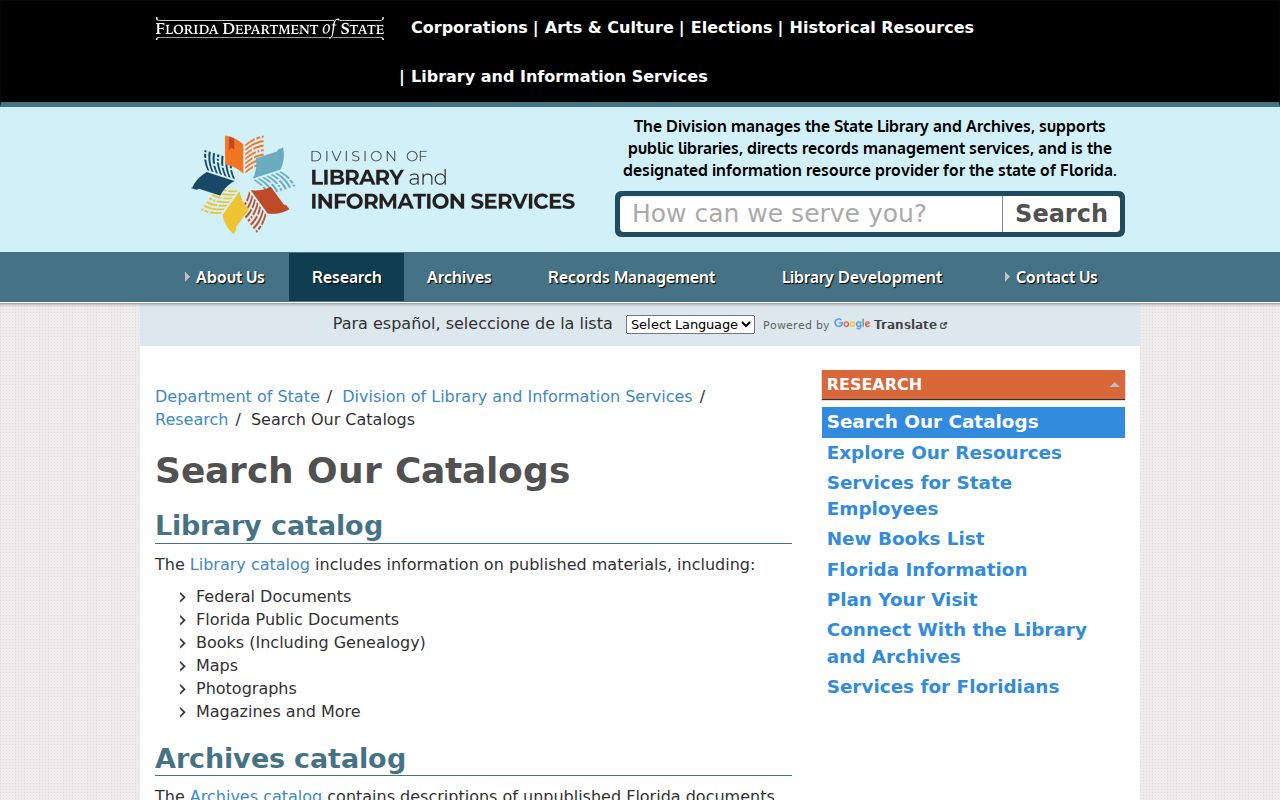
A printed city directory, archival series, and Florida Memory item can live in separate catalogs.
The Florida State Archives research page provides archival-series and research-room access.
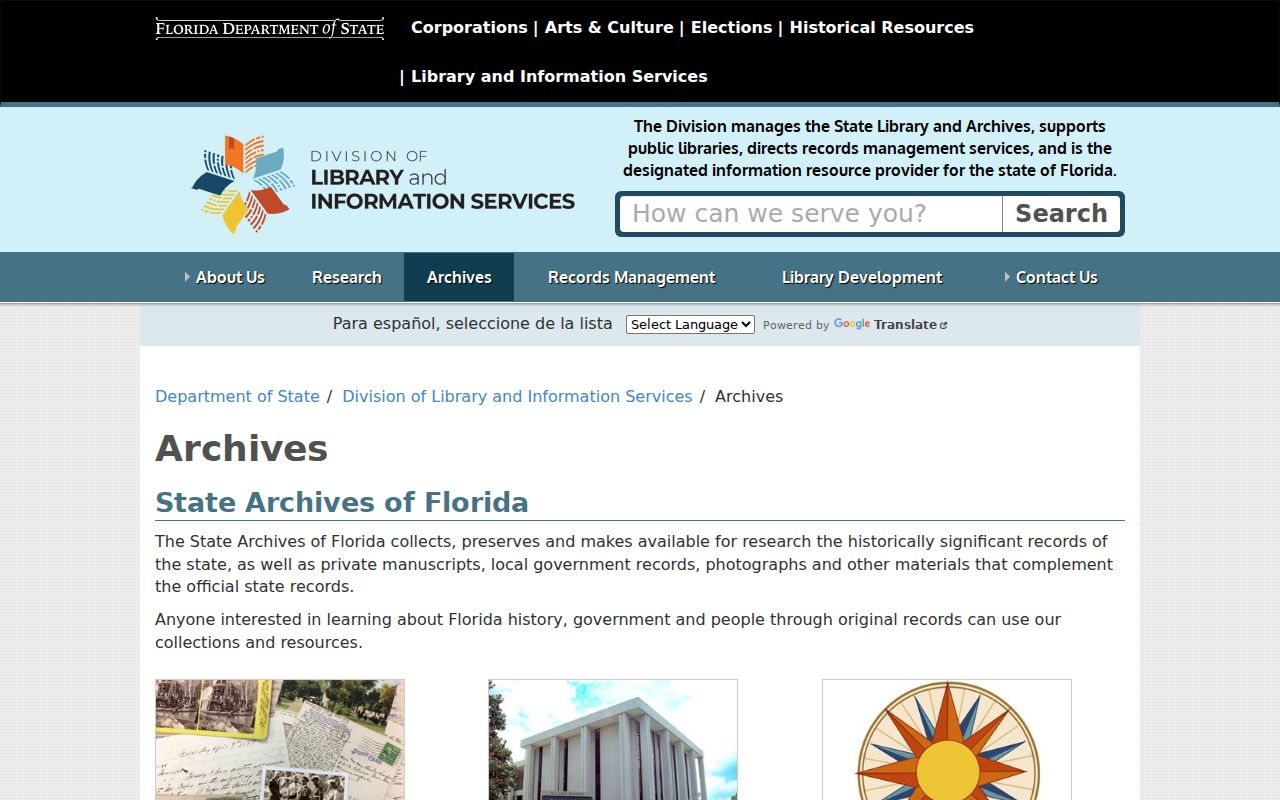
Use Archives staff for record groups and Florida Memory context, while the State Library handles its city-and-year directory shelf.
Collier City Directory Gaps
The public federal census currently ends with 1950 under the 72-year rule. Naples’s verified Polk images begin in 1955, skip the unverified 1956 slot, and continue from 1957 through 1960. The city directories form a strong post-census bridge, but they do not justify filling a blank year with assumptions.
Florida Memory adds Series S1284, covering elected and appointed Collier County officials from 1923 through 1969. It gives first and last name, office title, postal address, date, and remarks. The March 1938 WPA Historical Sketch also names people and describes Naples and Everglades City institutions.
The State Archives historical records overview introduces Florida census, election, tax, and poll sources.
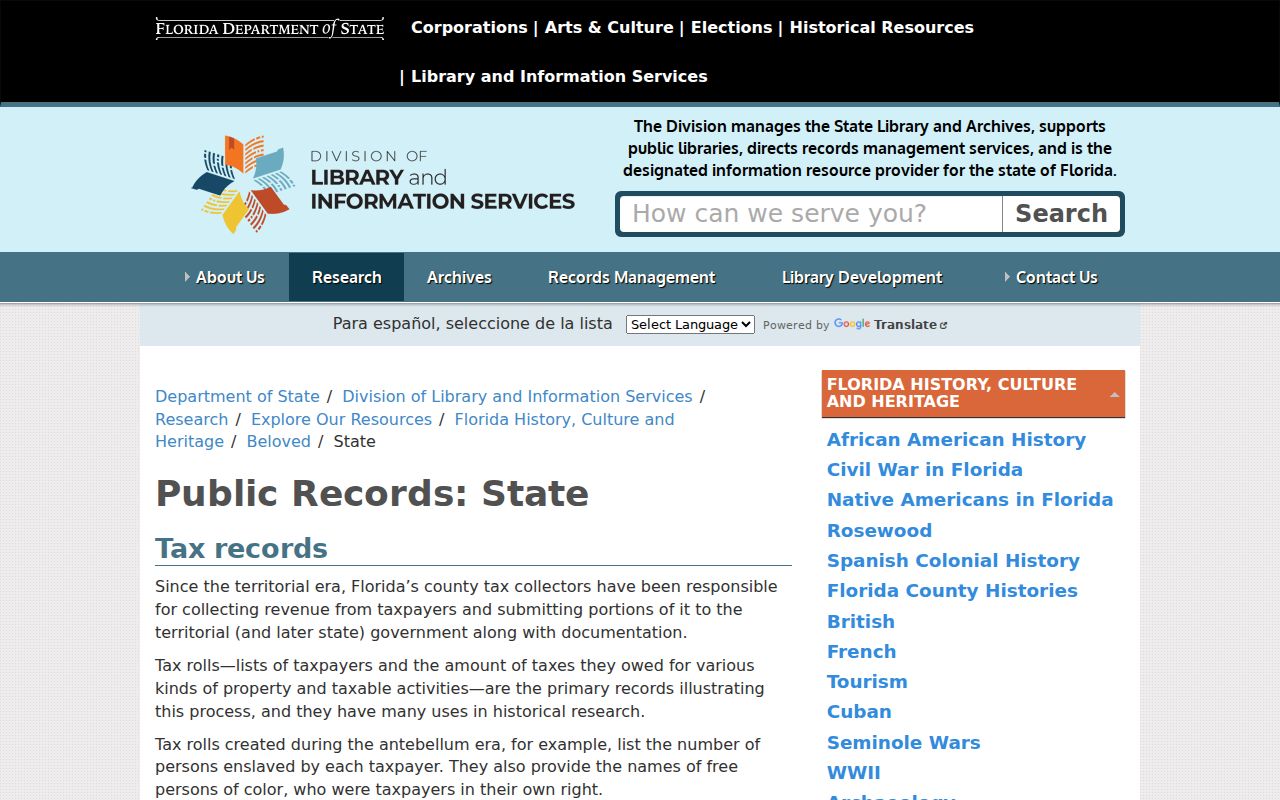
These named rosters can support a place or public role when a city directory year is missing.
Collier Directory Community Archives
Naples Historical Society holds oral histories, memoirs, photographs, newspapers, ephemera, postcards, books, reports, and audiovisual items. The collection is not fully digitized. Contact at 137 12th Avenue South or 239-261-8164 is more dependable than expecting one web index. The society formed in 1962.
Collier County Museums offers five community collections. Government Center covers countywide history, Naples Depot helps with rail growth, Museum of the Everglades serves southeastern history, Roberts Ranch centers Immokalee, and Marco Island’s museum holds its regional story. Contact museums@collier.gov or 239-252-8476; hours are Tuesday through Saturday, 9 a.m. to 4 p.m.
Choose the repository that matches the community printed in the city directory title. Oral histories and photos can explain a name variant or neighborhood setting, but they are not formal resident rolls.
Collier Directory Growth Years
Collier County was created from Lee County in 1923, and Naples incorporated that year. Research before county creation must test Lee County and state records. The Seaboard line reached Naples in December 1926 and formally opened in January 1927. The Tamiami Trail opened in April 1928. Those links drove plats, deeds, arrivals, and business listings.
| 1923 | Collier County created; Naples incorporated. |
|---|---|
| 1926–1928 | Rail and highway links mark major growth. |
| 1950 | Latest open federal population census. |
| 1955, 1957–1960 | Verified Naples Polk image years. |
| 1970 | Naples title supported by bibliographic evidence. |
Naples had about 300 residents when rail arrived and fewer than 1,000 in 1945. A mid-century city directory catches fast coastal growth, while the broader 1959–1960 title shows suburban place names beyond city limits.
Collier City Directory Companions
A city directory gives a dated name-and-address clue. Census schedules show household ties through 1950. Yearbooks and newspapers at Naples Regional may help with classmates and obituaries, subject to catalog checks. Plats establish subdivision geography. Deeds establish title, not occupancy.
Vital certificates follow separate rules. Florida birth certificates are confidential and generally limited to eligible people. Death certificates without cause become public, while cause information is restricted for 50 years. Marriage and dissolution certifications are public state index products.
The Florida Vital Statistics certificate page gives official access routes.
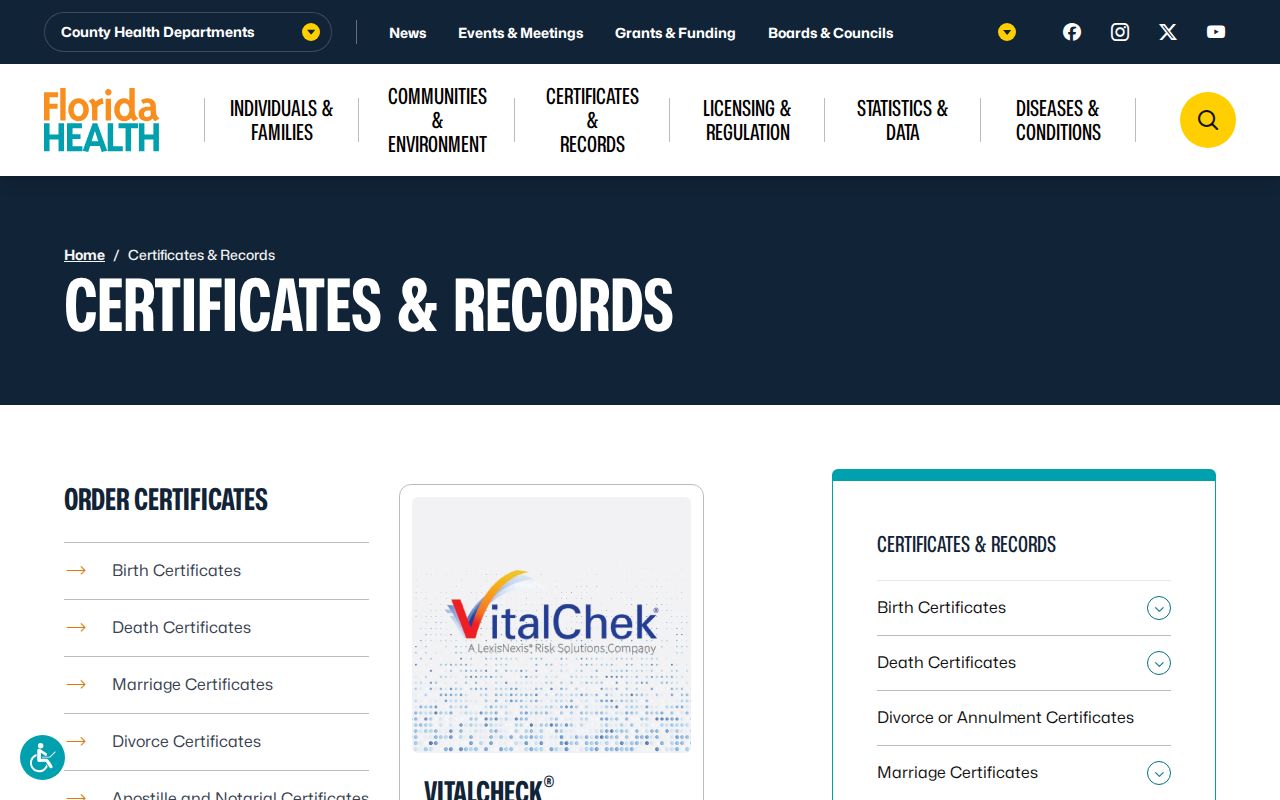
A certificate can support a relationship or life event, but restricted fields and eligibility still apply.
Trace Family Through Collier Directories
Start with the latest sound identity match. Copy the title, year, page, and exact line. Compound surnames, dropped accents, initials, spouse names, and business links are useful search pivots in Collier County’s internationally connected population.
- Find the person in the 1950 census or earliest verified directory, using surname parts and initials.
- Compare 1955, then 1957 through 1960. Record spouse, work, address, and edition marks.
- If a criss-cross section exists, search the address without assuming it lists every resident.
- Check the parcel and deed when land ownership matters. Modern address work belongs in the Collier County street directory.
- Use newspapers, probate, obituaries, yearbooks, and archive material to explain a departure or name change.
A disappearance can mean death, relocation, omission, seasonal absence, a changed surname, or a shift in directory geography. One blank year cannot prove a move.
The State Archives genealogy holdings page describes wider family-history material.
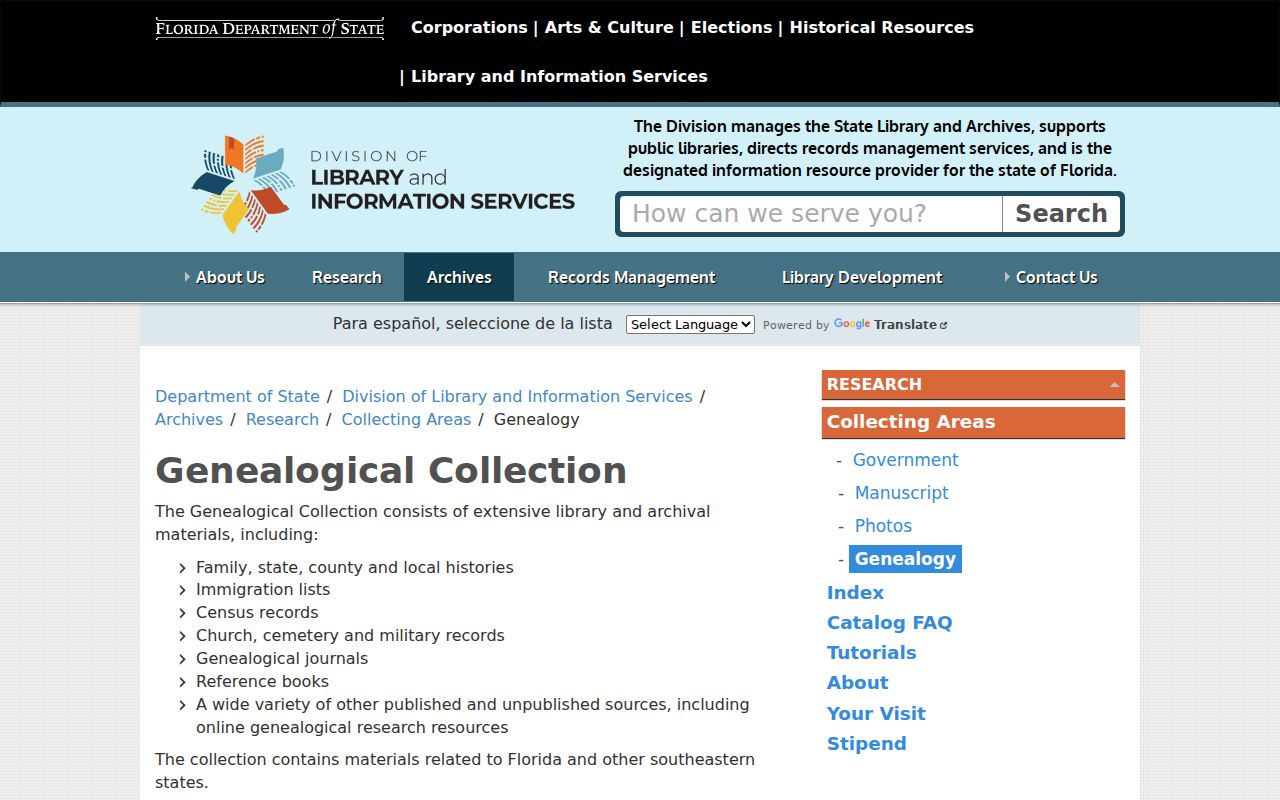
Archive records can extend the trail before county creation or beyond the years covered by a printed directory.
Collier Directory Gaps Need Context
A missing name in one Naples city directory does not prove that a household moved. Publishers could omit a person, seasonal residents might not appear, a surname could be filed under another form, or the edition's mapped area could change. The verified sequence itself skips 1956 between the 1955 volume and the 1957 through 1960 run. Search the spouse, initials, employer, business name, and street section before treating that gap as an event.
Geography can matter as much as spelling. A 1959 to 1960 title covered Naples, East Naples, Lely Estates, Naples Park, North Naples, Pine Ridge, Sun Terrace, and Vanderbilt Beach. That reach was much larger than the incorporated city. Earlier Collier research may also cross the county line in time: Collier was created from Lee County in 1923, so older land, probate, marriage, and court sources often belong with Lee County or the State Archives.
City directories work best as one layer in a timeline. Pair an entry with a deed, census household, obituary, or probate event. A volume may supply an occupation, spouse, or listed address, but check its abbreviation page before interpreting symbols. Naples Regional staff can help identify reverse sections and explain whether licensed access requires a library card or branch visit.